
Using a Heroes Construct to Reset Recognition Programs
Nov 01, 2025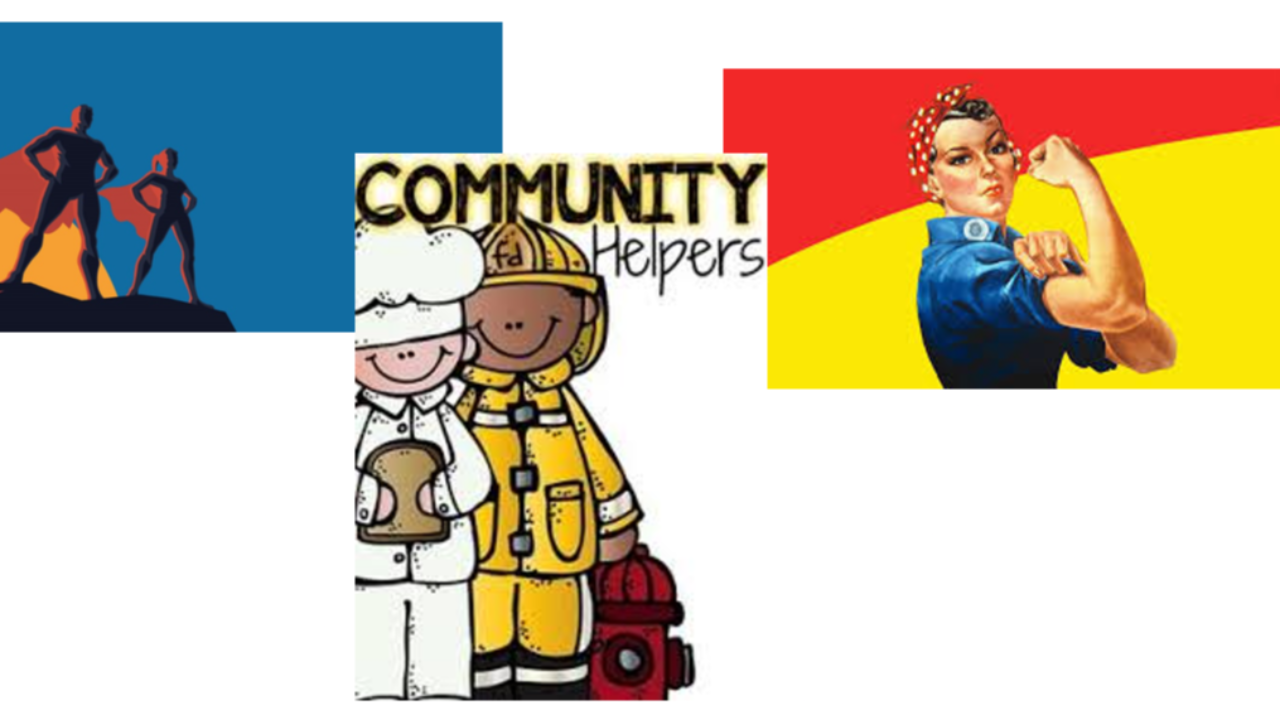
The focus of recognition programs is tilted towards those who have achieved public successes, but there are opportunities to celebrate other (and more common) achievements of individuals.
Any community, including alumni populations, is a complex group of individuals who pursue professional and personal journeys, successes and challenges, along an unlimited number of routes. Some people go on to experiences or achievements in a very public manner, while others accomplish goals and serve their communities well under the radar. Still others have their “moment of fame,” where they might receive heightened recognition for a relatively short period, brought on by a single activity, a shift in societal discourse, or a sudden boost in profile from external sources.
The focus and the majority of those represented in recognition programs, including formal award activities, is tilted towards those who have achieved public successes and/or are more readily understood and appreciated by the larger body of alumni, selection committees, and institutions (e.g. business leaders or researchers). That is not to suggest these individuals should not be feted or recognised, but to acknowledge there are opportunities to celebrate other (and more common) achievements of alumni.
One way to consider various achievements and alumni is to use a simple heroes construct, such as this:
Celebrity Heroes: these individuals are the most high-profile members of a community. In addition to in many cases possessing exceptional qualities and achievements, because of the nature of their positions or their industries, they are easily recognised and often honoured for their accomplishments. People in this group can include pop culture and entertainment figures, business leaders, athletes, politicians, etc.
Episodic Heroes: this group includes those who realise their “15 minutes of fame” – either through a single moment of remarkable behaviour (e.g. acting above and beyond in an emergency) or perhaps because their endeavours have come into a more public view from other forces (e.g. many of the senior health leaders during the recent pandemic). While not all will remain in the public consciousness, it can be timely to recognise and celebrate their achievements and support their contributions while attention is close.
Everyday Heroes: In most communities, this is by some margin the largest cohort. It includes individuals whose efforts, while remarkable, remain out of the public or community eye because of the nature of the endeavour, their own lack of public profile (sometimes by their own choosing), or proximity to the community’s core or decision-makers, among other factors. Examples might include the local community centre leader, coaches in community or amateur sport, or figures in regional development or local volunteer projects. Many of the accomplishments will be easily relatable, inviting feelings of belonging and community.
In your programs, are there unexplored opportunities to broaden the scope of those who are honoured? Consider your current activities and ask:
- What types of individuals are best served, and not served appropriately, through the existing recognition work?
- If there is an imbalance, what other forms of recognition may broaden the scope of those being recognised?
- How can any formal awards programs be set up to broaden the nature of those receiving recognition to include all three “hero types?
Mark Sollis, Strategist & Creative, D3 Advancement Studio
Mark is a recognised leader in alumni and stakeholder engagement, with global experience across higher education systems in Australia, Asia, North America, and the UK.